Latest posts
-
What Are the Warning Signs of Roof Damage?
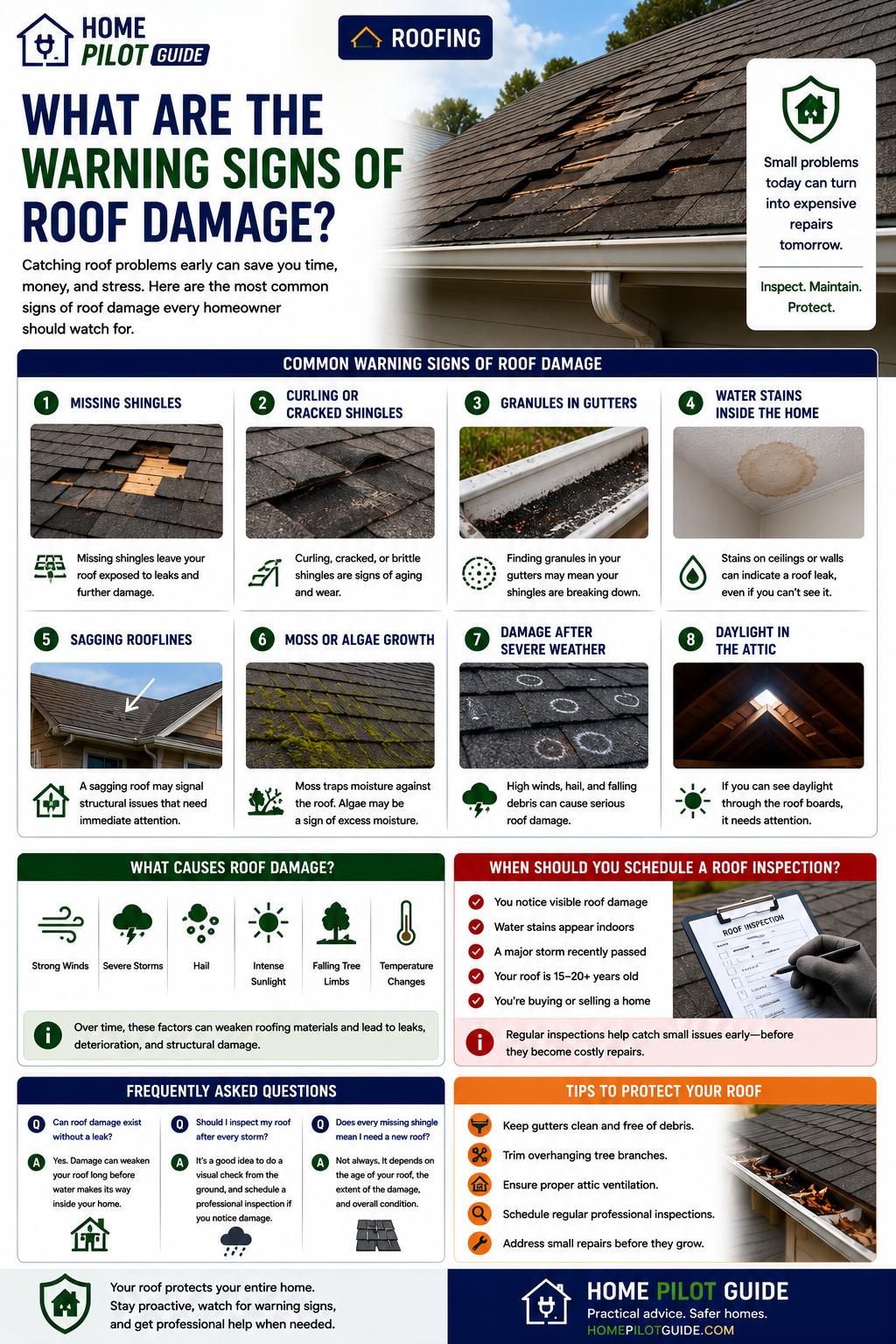
Your roof is exposed to the elements every day, protecting your home from rain, wind, hail, sunlight, and changing temperatures. Over time, even a well-built roof can begin showing signs of wear. Recognizing roof damage early can help homeowners address potential issues before they lead to more expensive repairs or interior water damage. Why Roof…
-
How Long Does a Roof Last? A Homeowner’s Guide
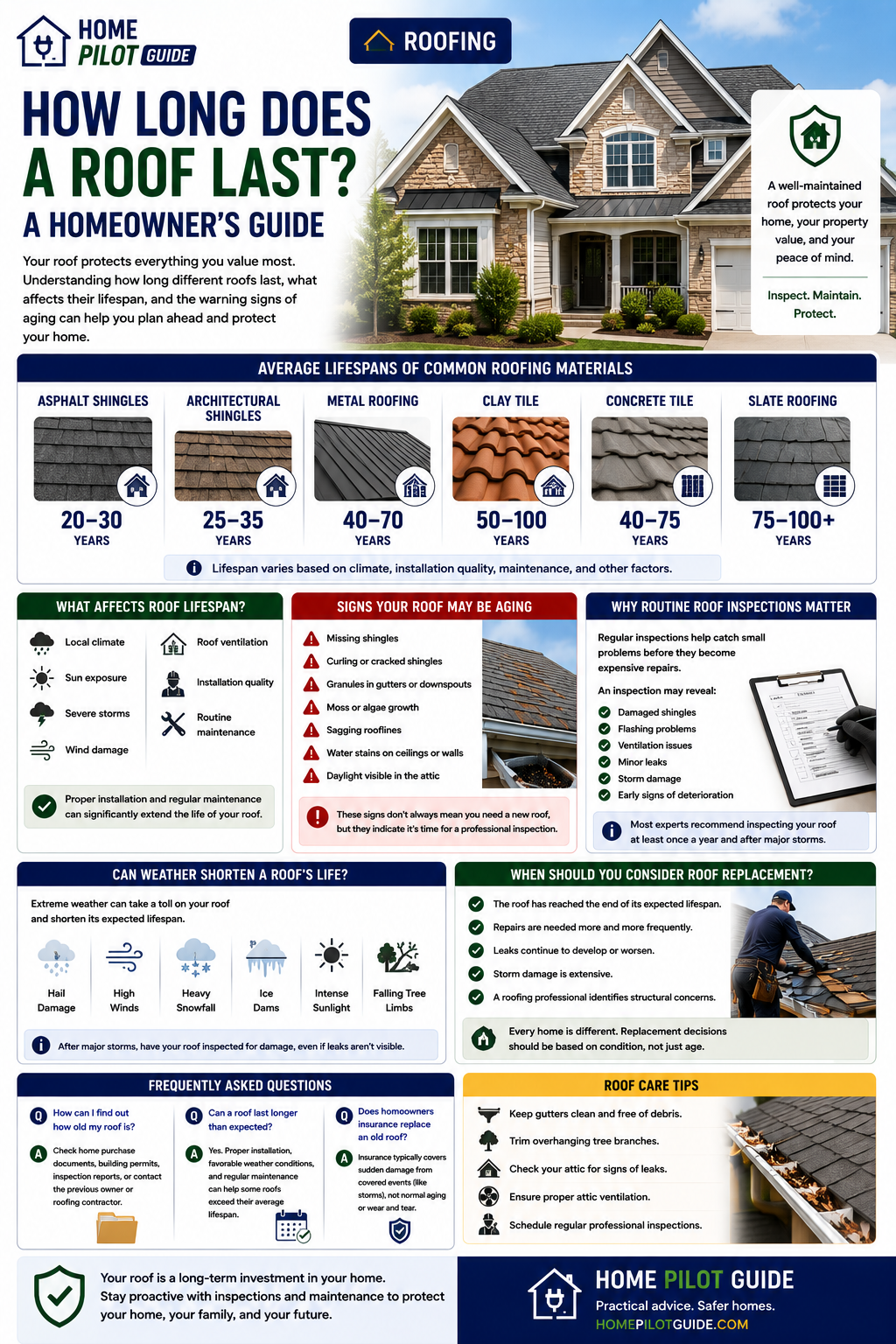
Your roof is one of the most important parts of your home, protecting everything beneath it from rain, wind, sunlight, and changing weather. Although every roof eventually reaches the end of its lifespan, the amount of time it lasts depends on several factors, including the roofing material, climate, installation quality, and maintenance. Understanding the expected…
-
How Often Should Your Home’s Electrical System Be Inspected?
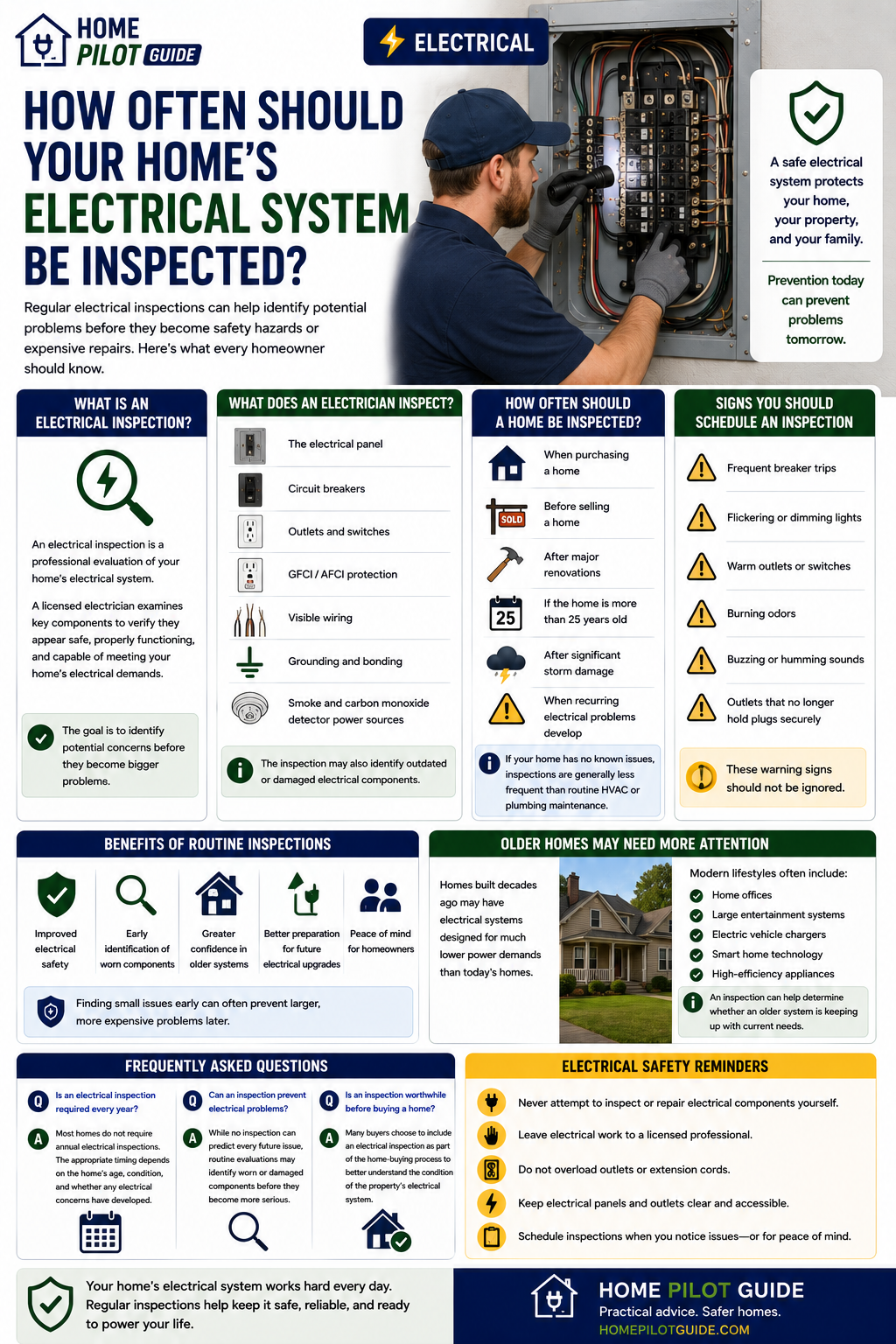
Most homeowners rarely think about their electrical system until something stops working. However, regular electrical inspections can help identify potential problems before they become expensive repairs or safety hazards. While a modern electrical system is designed to last for many years, components naturally age over time. Understanding when an inspection may be appropriate can help…
-
What Are AFCI Breakers and Why Are They Important?
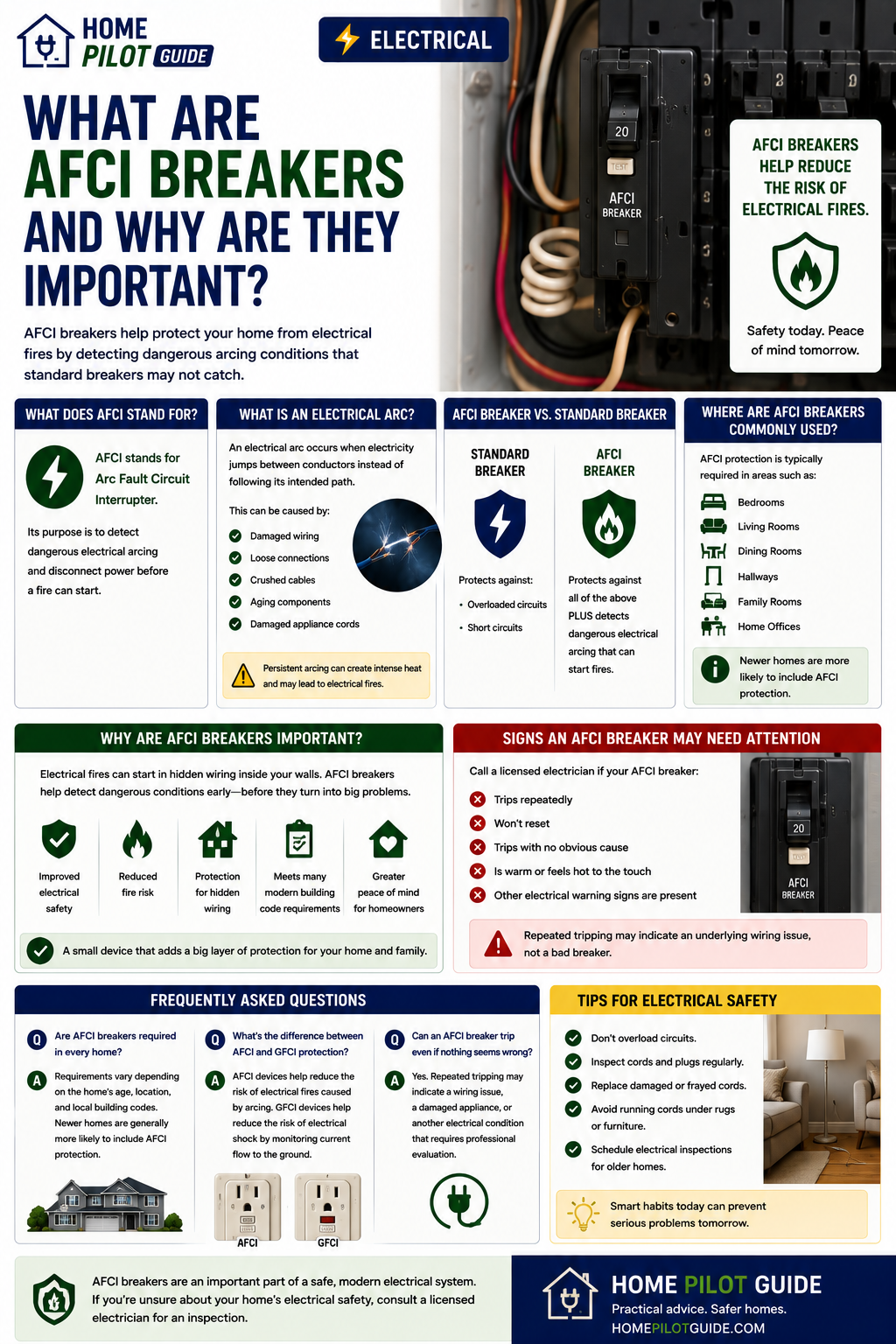
Modern homes include several safety devices designed to protect both people and property. While many homeowners have heard of GFCI outlets, fewer are familiar with Arc Fault Circuit Interrupter (AFCI) breakers. These devices play an important role in reducing the risk of electrical fires by detecting dangerous electrical conditions that traditional circuit breakers may not…
-
What Causes Power Outages in a Home?
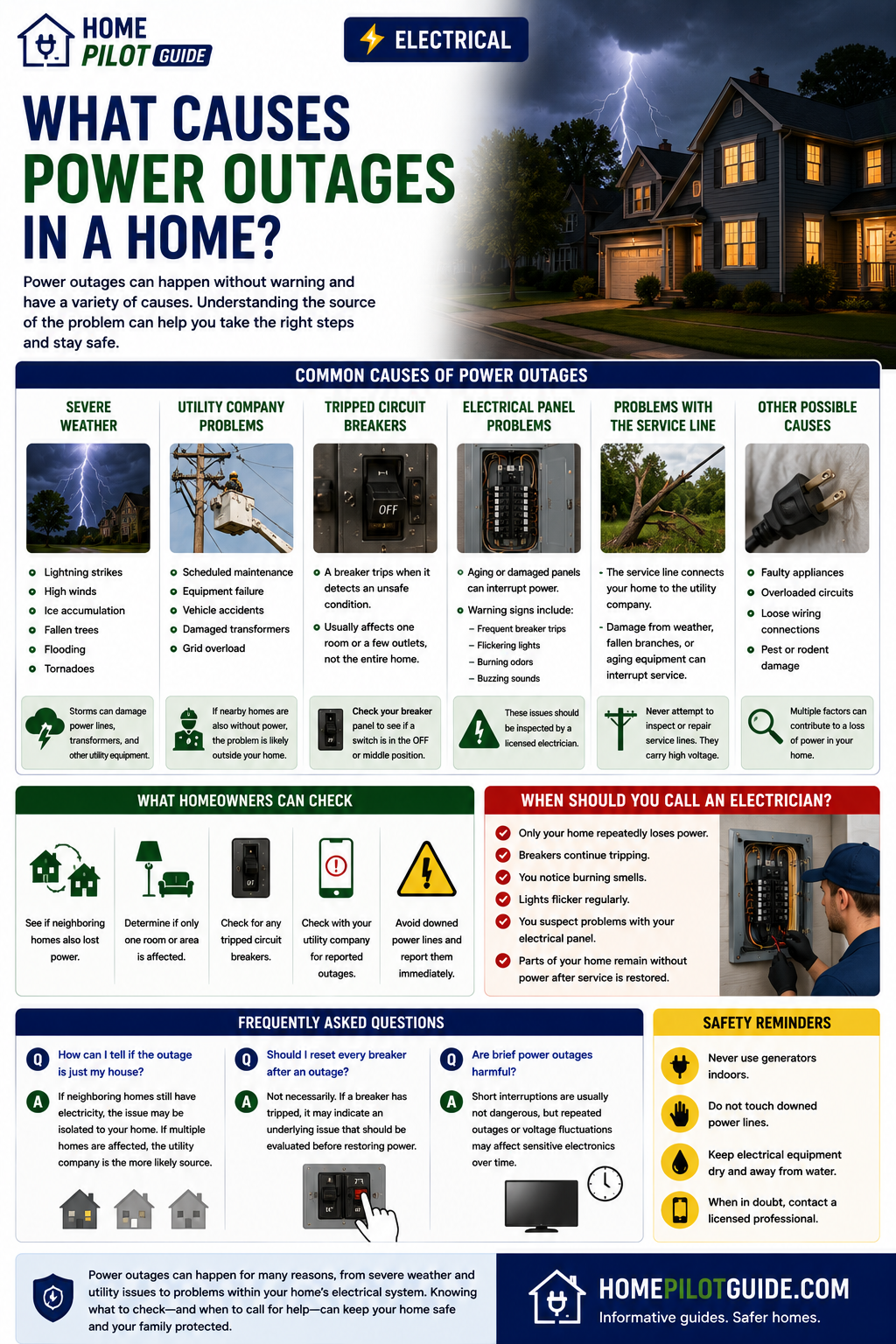
Losing power unexpectedly can be frustrating, especially if you’re unsure whether the problem is affecting only your home or your entire neighborhood. While many outages are caused by severe weather or utility company issues, others may originate within your home’s electrical system. Understanding the possible causes of a power outage can help homeowners respond appropriately…
-
Why Does My Outlet Feel Warm? When Should You Be Concerned?
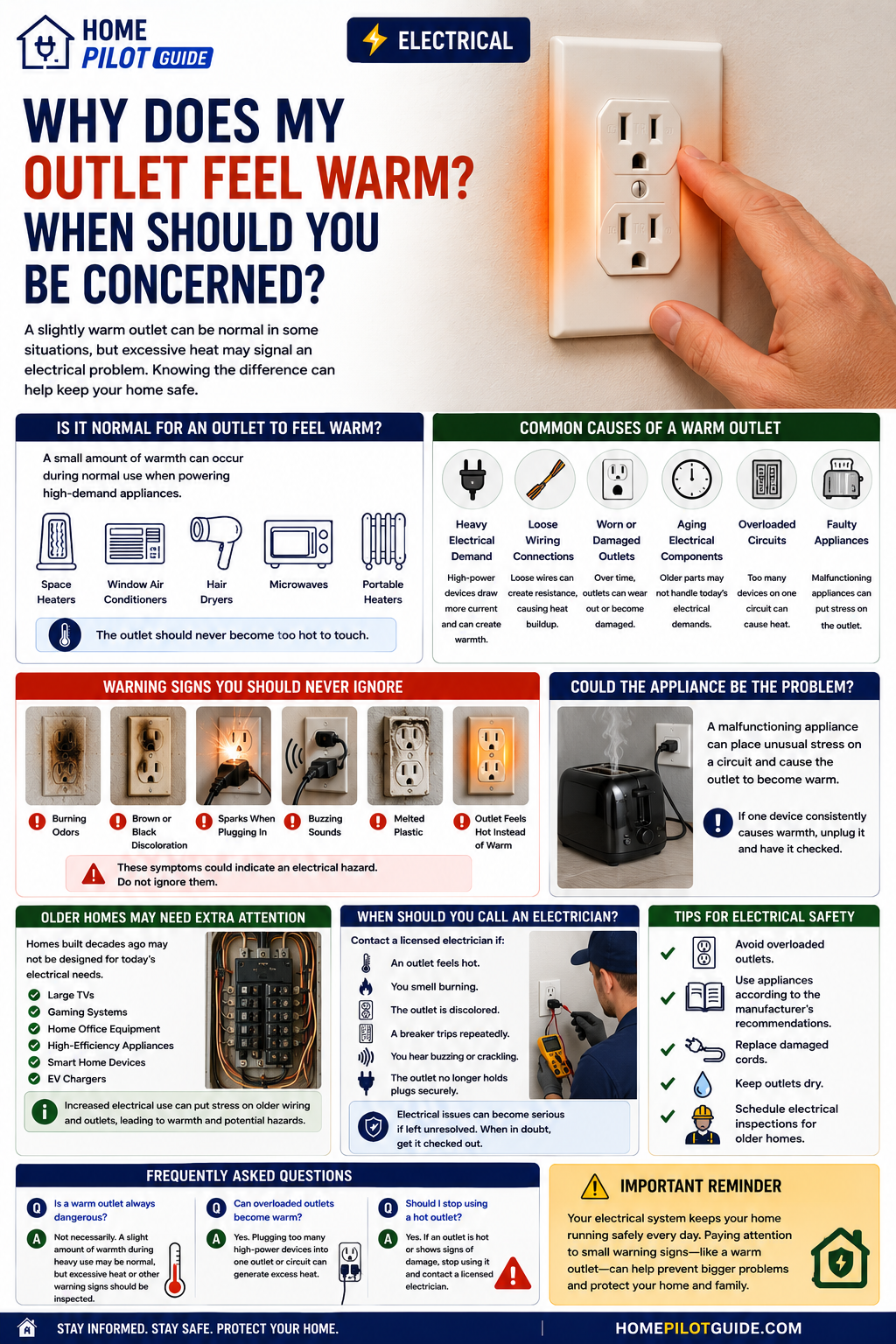
Most homeowners don’t think much about their electrical outlets until something seems unusual. If you’ve ever touched an outlet and noticed that it feels warm, you may wonder whether it’s normal or a sign of a more serious problem. While a slight amount of warmth can sometimes occur during normal use, an outlet that becomes…
-
What Is a Surge Protector and Do You Really Need One?
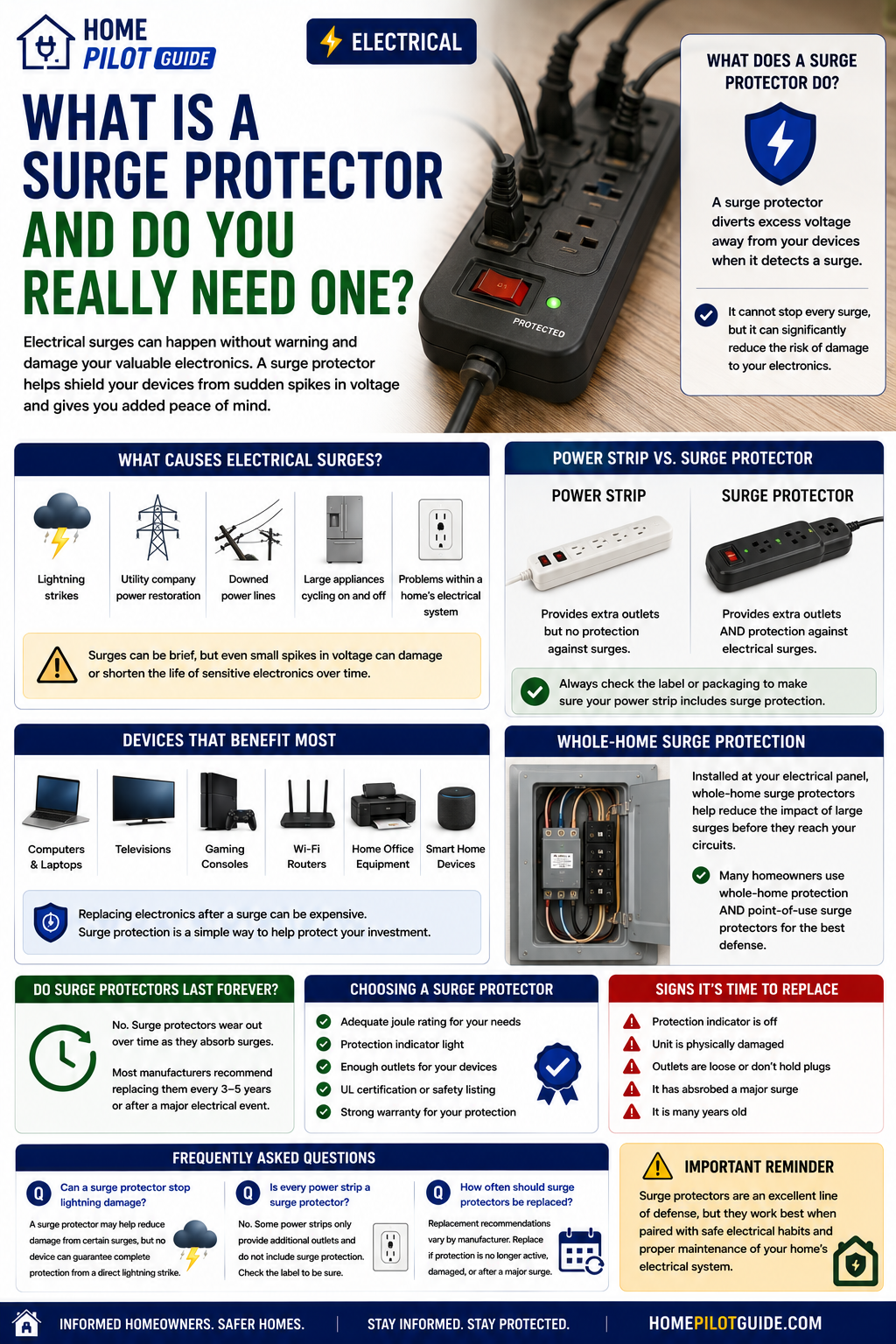
From televisions and computers to kitchen appliances and gaming consoles, today’s homes rely on expensive electronic devices every day. While many people use power strips to add extra outlets, not all power strips provide protection against electrical surges. Understanding what a surge protector does can help homeowners better protect their electronics and avoid unnecessary repair…
-
How Long Does an Electrical Panel Last?
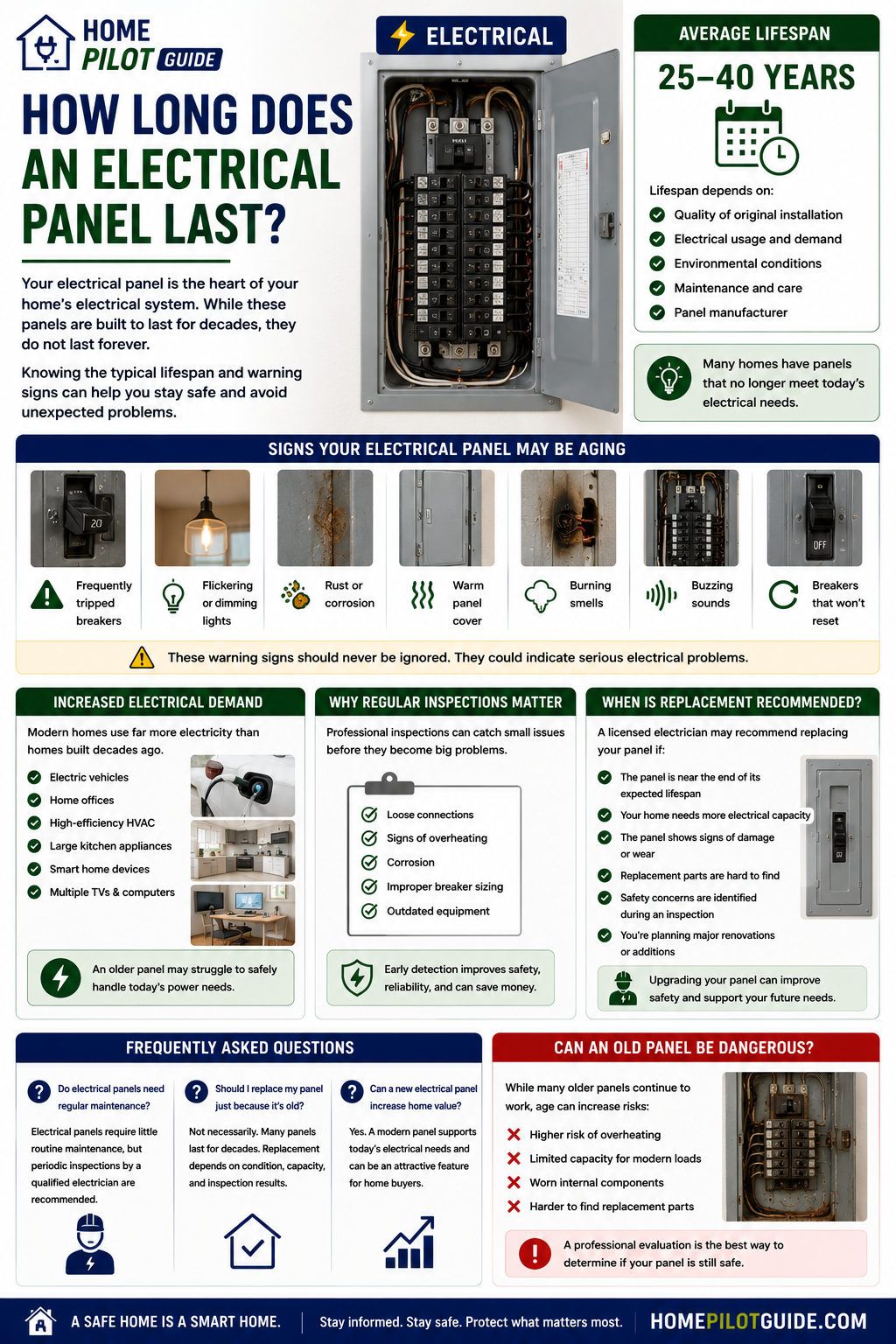
Your home’s electrical panel is the central hub of its electrical system, distributing power safely to every room and appliance. Although electrical panels are built to last for decades, they do not last forever. Age, increased electrical demand, and normal wear can eventually make replacement necessary. Understanding the expected lifespan of an electrical panel can…
-
What Is a GFCI Outlet and Why Is It Important?
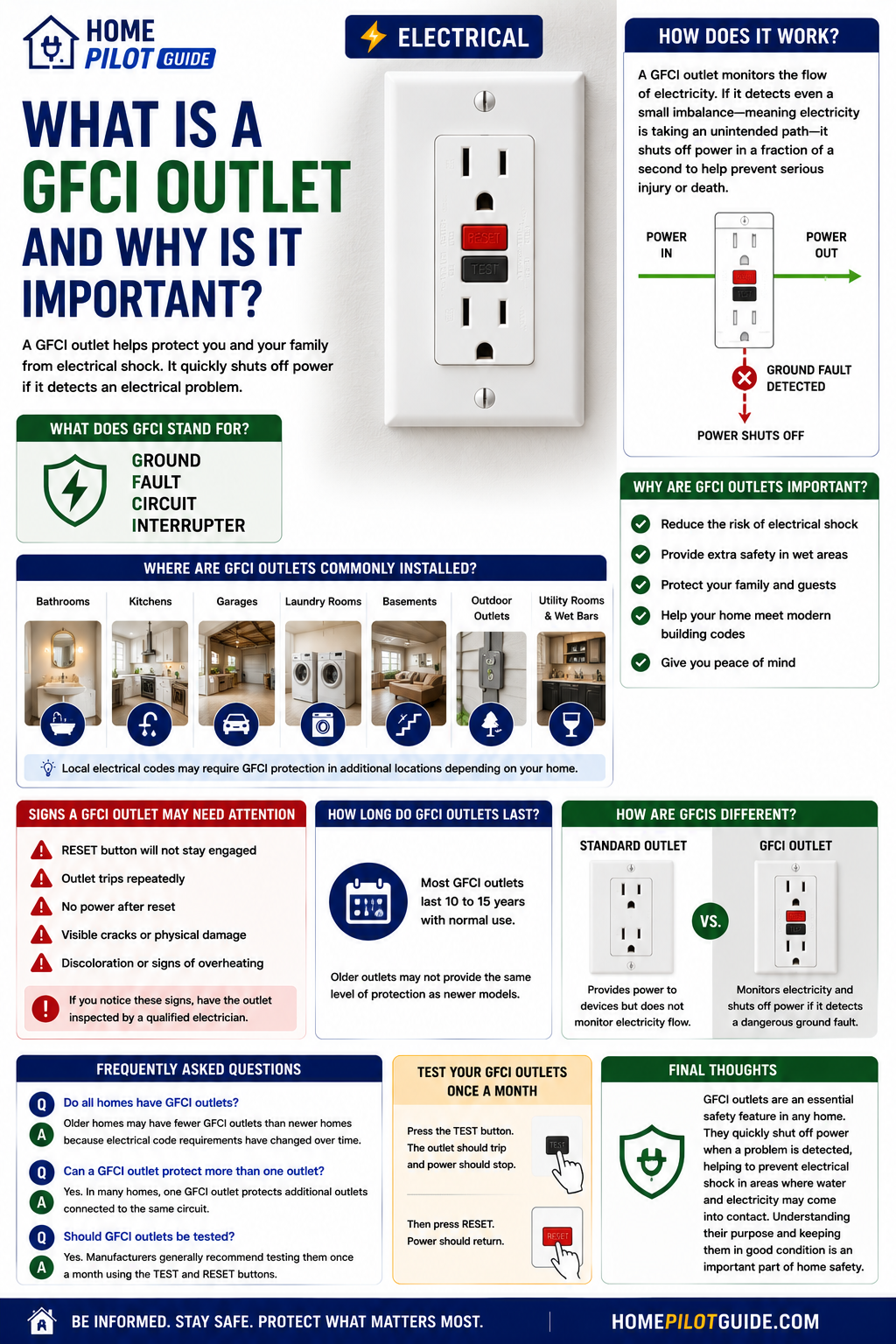
Electrical safety is an important part of homeownership, especially in areas where water and electricity may come into contact. One of the most effective safety devices found in modern homes is the Ground Fault Circuit Interrupter, commonly known as a GFCI outlet. While many homeowners recognize the TEST and RESET buttons on these outlets, fewer…
-
Why Are My Lights Flickering? Common Causes Explained
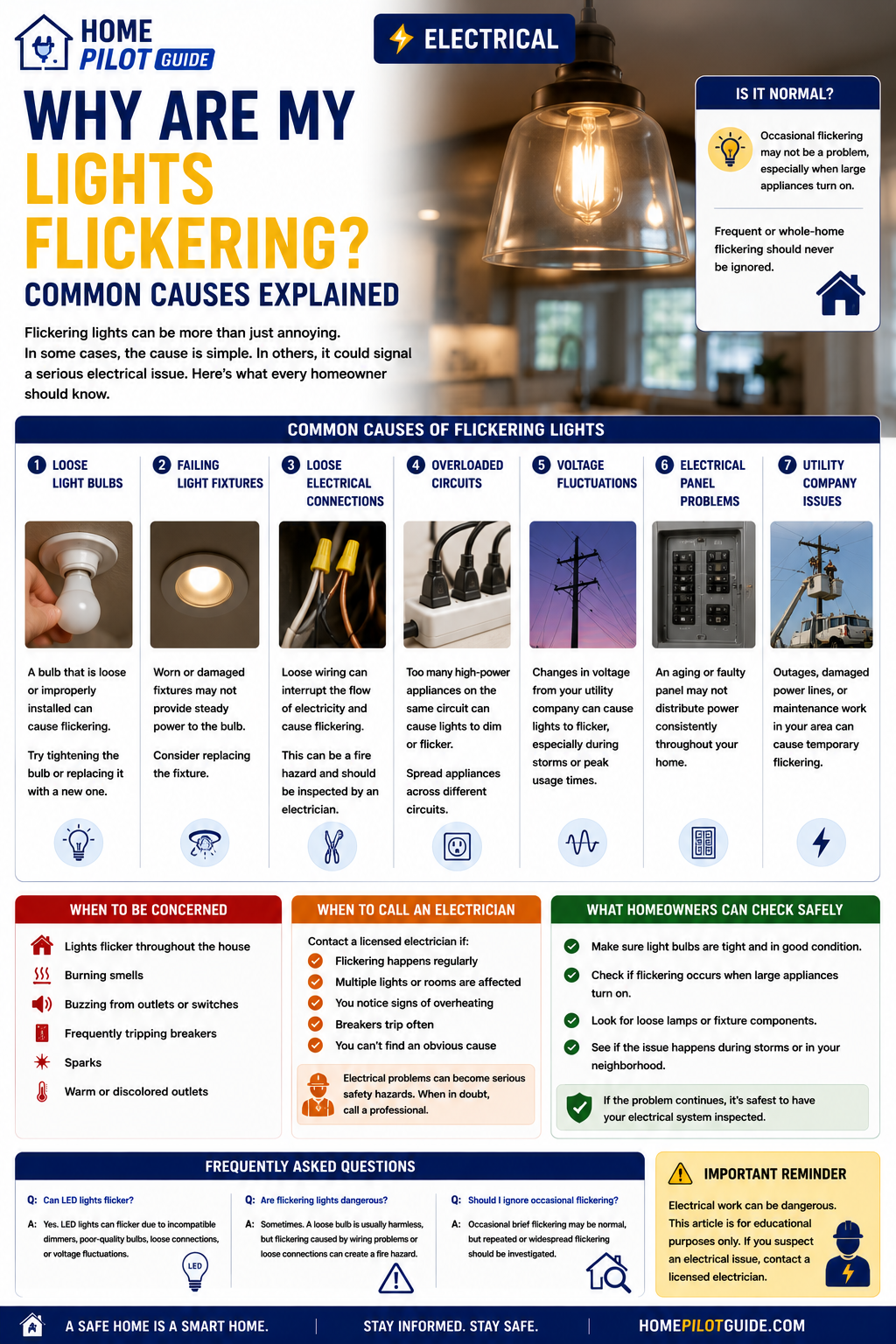
Flickering lights are one of the most common electrical issues homeowners experience. In some cases, the problem is as simple as a loose light bulb. In others, it may indicate an issue with your home’s electrical system that requires professional attention. Knowing the difference can help you determine whether the issue is a minor inconvenience…